Google Sheets & Docs automation
Flowdrome’s Google nodes — Sheets, Docs, Drive, Gmail — authenticate with an OAuth2
credential you connect once in the vault. The nodes then reference
${credential.google-oauth2.accessToken}, and the Nucleus refreshes the token automatically.
The fiddly part is Google’s side; here is the exact path.
1. Create the OAuth client (Google Cloud Console)
-
In Google Cloud Console, create (or pick) a project.
-
APIs & Services → Enabled APIs → Enable APIs and Services: enable each API you’ll use — Google Sheets API, Google Docs API, Google Drive API, Gmail API. A node call against a disabled API fails with a clear
accessNotConfigurederror naming the API. -
APIs & Services → OAuth consent screen: configure the consent screen (External is fine for personal use). Add yourself under Test users — only listed test users can complete consent while the app is in Testing status.
-
APIs & Services → Credentials → Create credentials → OAuth client ID, application type Web application. Add the authorized redirect URI:
http://localhost:4800/api/oauth/callbackIf your Nucleus runs elsewhere, use its public URL instead —
{FLOWDROME_NUCLEUS_PUBLIC_URL}/api/oauth/callback— and it must match exactly. -
Copy the Client ID and Client secret.
The 7-day caveat: while the consent screen is in Testing status, Google expires refresh tokens after 7 days — your credential will flip to an error state and need reconnecting weekly. For anything long-lived, publish the consent screen (move it to In production); refresh tokens then live until revoked.
2. Connect the credential
Admin → Credentials → New, template Google OAuth2. Paste the client id + secret, save,
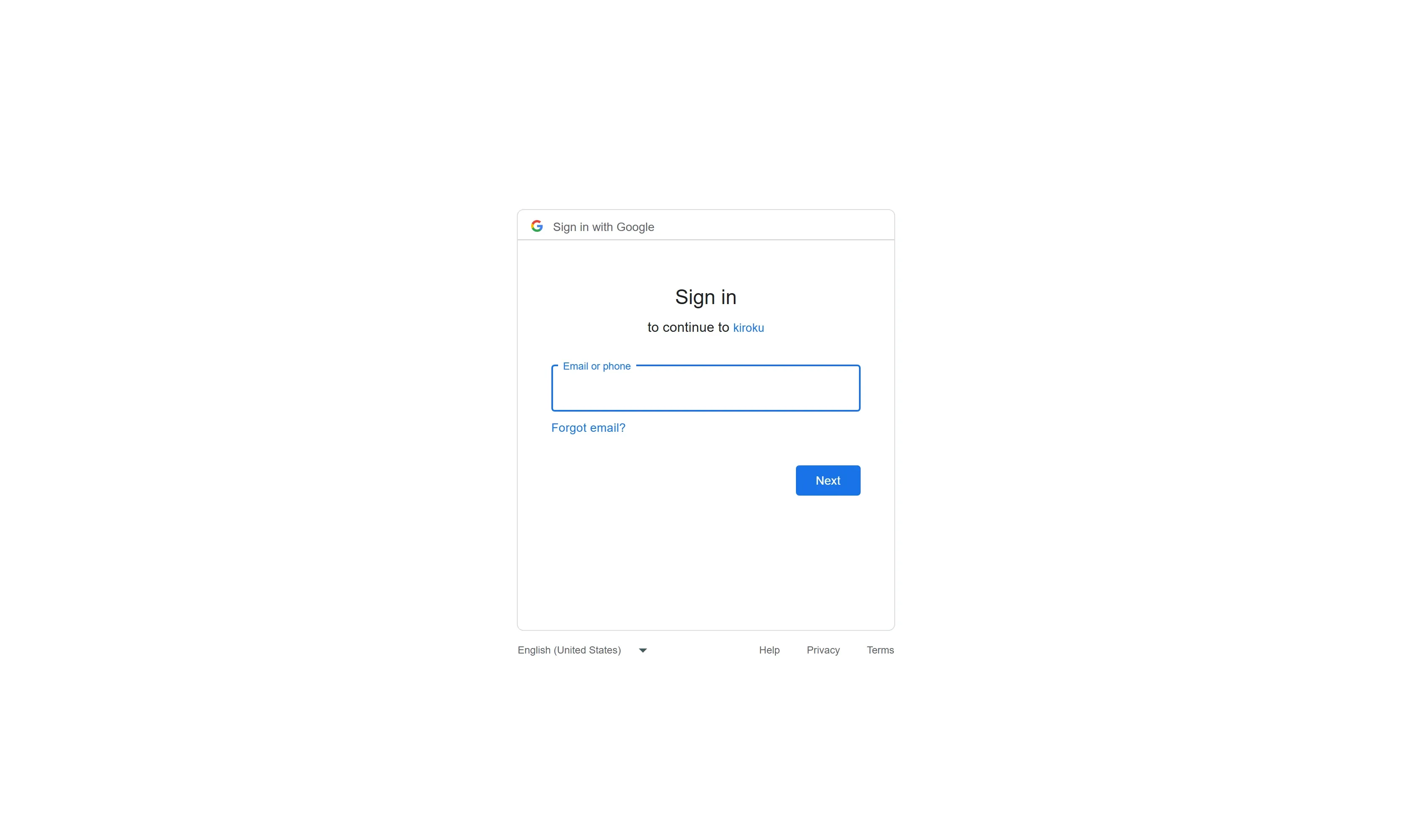
click Connect. The Google consent tab opens; approve, and the tab closes with the credential
showing connected (with token expiry). The template’s default scopes cover every shipped
Google node — Sheets, Docs, Drive and Gmail (spreadsheets, documents, drive,
gmail.modify, plus identity) — so a blank Scopes field just works; set it to narrow the
grant (e.g. only https://www.googleapis.com/auth/spreadsheets for a Sheets-only credential).
A credential connected on a release before Mk 2 Mod 9 was granted identity scopes only and
403s on API calls — press Connect again to re-consent with the current scopes.
The masked-secrets edit view, the status badge states, and the full Connect walkthrough live in the Credentials guide.
The Nucleus requests offline access with forced consent, so a refresh token is always issued — token refresh happens automatically whenever a run resolves the credential.
3. Append rows to a sheet
The shipped Google Sheets Append demo is two nodes — sample order data feeding a Google Sheets node. Open the Sheets node’s settings (the chevron under its ports) and configure it:
- Pick the google-oauth2 credential in the picker — the token field becomes a vault reference.
- Operation append, Spreadsheet id from your sheet’s URL (the long path segment of
docs.google.com/spreadsheets/d/<THIS>/edit), RangeOrders!A:D. - Values path
orders— it points at a list on the input ({ "orders": [ { "id": 1, "customer": "Smith, John", "total": 149.95 }, … ] }), and each object’s values become one row. Alternatively type a literal 2-D array into the Values field. - Keep USER_ENTERED so Sheets parses numbers and dates the way typing would;
RAWstores exactly the strings you send.
The Sheets node reference shows the wired workflow and a real run’s input/output captures.
The Sheets node also reads (read), updates (update) and clears (clear) ranges — see the
node reference. Docs (create/insert/replace text), Drive
(upload/download/list/delete) and Gmail (send, with attachments from binary input) ride the same
credential.
Troubleshooting
| Symptom | Cause |
|---|---|
redirect_uri_mismatch at consent | The redirect URI in Google doesn’t exactly match the Nucleus URL — scheme, host, port, path. |
access_denied for a known user | The account isn’t in Test users while the app is in Testing. |
accessNotConfigured on a node call | That specific API isn’t enabled in the Cloud project. |
Credential turns to error:refresh_failed after a week | Testing-status refresh-token expiry — publish the consent screen. |